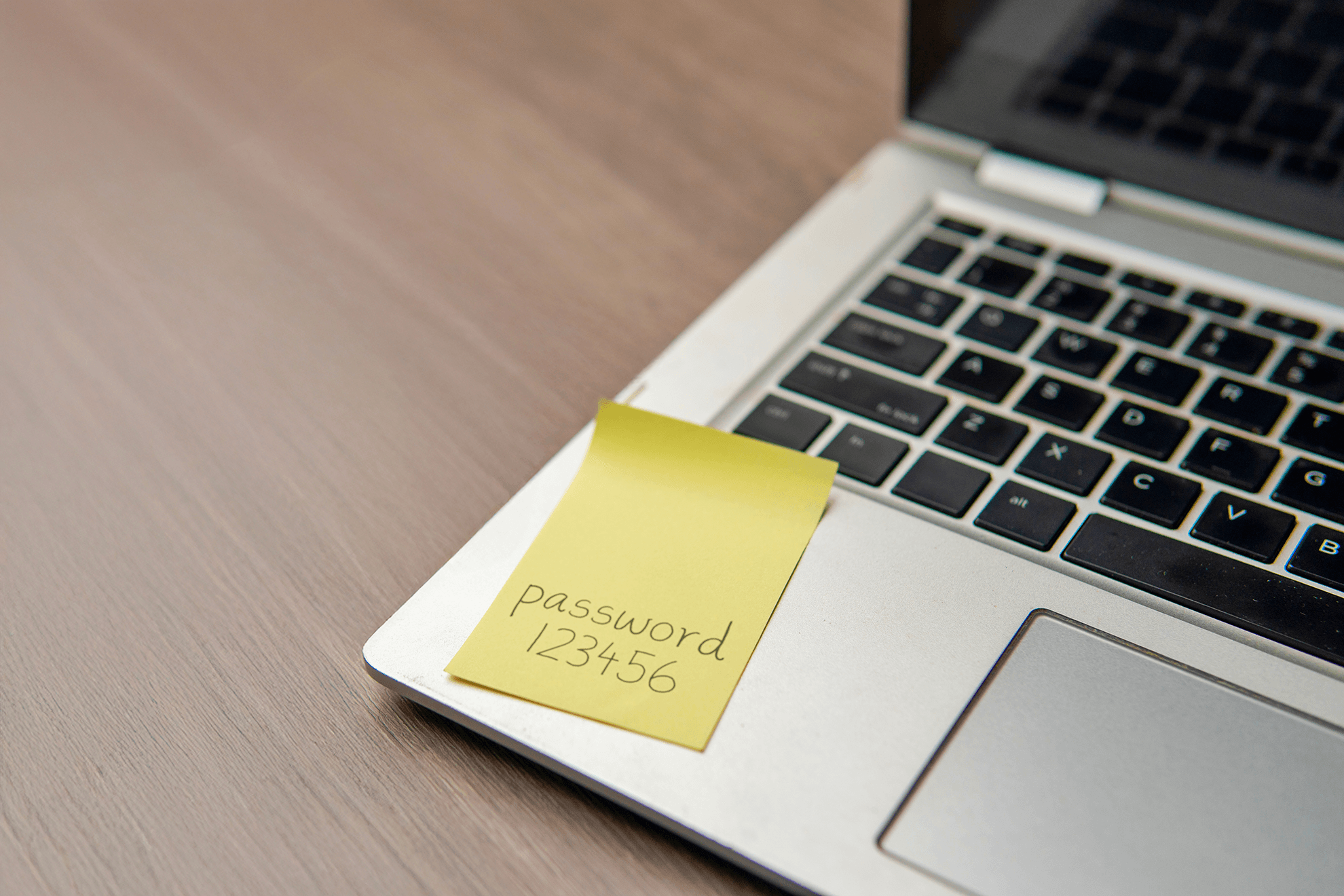
What would happen if one of your employees used a weak password — and a hacker guessed it? For a well-established logistics firm in Northamptonshire, that may have been all it took. After 158 years in operation, KNP Group collapsed in 2023 after falling victim to a devastating ransomware attack. The damage was catastrophic: all internal systems locked, business operations frozen, and 700 jobs lost overnight. It's widely believed the breach started with a single compromised password — guessed by hackers using basic brute-force methods. KNP's story serves as a stark, sobering reminder that even centuries of legacy can be undone by a single point of vulnerability. This isn't an isolated incident; cybercrime is now one of the biggest threats facing UK businesses of all sizes, and small to medium-sized enterprises (SMEs) are particularly vulnerable. Understanding how such a devastating event can unfold, and crucially, how to prevent it, is paramount for every business owner today.
The Alarming Rise of Ransomware and its Impact on UK SMEs
You might think high-profile hacks only affect the likes of Harrods, Marks & Spencer, or the Co-op — all of which have faced cyberattacks in recent months. But the truth is, most ransomware attacks specifically target smaller businesses that don't have enterprise-grade protection in place. Government surveys estimate that tens of thousands of ransomware attacks now hit UK businesses every year. And because companies are not required to report these incidents — especially if they quietly pay up — the actual number could be far higher.
One of the most alarming aspects of this surge is how unsophisticated some of the methods are. Criminal gangs no longer need advanced technical skills. Many now rely on readily available hacking tools, automated scripts, and social engineering techniques: impersonating IT staff over the phone, crafting convincing phishing emails, or, as in KNP's case, simply guessing weak passwords. These "low-hanging fruit" tactics make SMEs prime targets.
Why SMEs Are Particularly at Risk
Many SMEs mistakenly believe they're too small to be of interest to sophisticated hackers. In reality, the opposite is true. Smaller organisations often present an attractive target for several reasons:
- Fewer Security Controls: They typically have less robust cybersecurity infrastructure compared to larger corporations.
- Limited Staff Training: Employees may lack comprehensive training on cybersecurity best practices, making them susceptible to social engineering.
- No Dedicated IT or Incident Response Team: Without in-house experts, reaction times to breaches are slower, and recovery more challenging.
- Outdated Systems or Unpatched Software: Budget constraints or oversight can lead to critical vulnerabilities remaining unaddressed.
- Limited Backup or Disaster Recovery Plans: Many SMEs lack robust, tested backup solutions or comprehensive business continuity plans, making recovery from data encryption nearly impossible.
- Supply Chain Vulnerability: SMEs often form part of a larger supply chain. Hacking a smaller, less secure partner can be a backdoor into a larger, more lucrative target.
This combination of factors makes UK SMEs a lucrative and relatively easy target for cybercriminals, turning them into a critical battleground in the fight against cybercrime.
The True Cost of a Cyber Breach: Beyond the Ransom Demand
In KNP's case, once the hackers gained access, they encrypted the company's entire database and internal systems. A ransom was demanded — reportedly in the region of £5 million. KNP simply couldn't pay. Their business ground to a halt and never recovered. The human cost was devastating: 700 jobs gone. Decades of data lost. Reputational damage that couldn't be undone. Yet it all may have begun with one overlooked password.
The UK's National Cyber Security Centre (NCSC) has repeatedly warned that ransomware is now a national security threat. They deal with serious attacks every single day. But their resources are finite — and ultimately, protecting your systems starts with the decisions you make inside your business. The costs of a cyberattack extend far beyond the immediate ransom demand:
- Direct Financial Losses: This includes the ransom payment (if made), costs of incident response, forensic investigations, system recovery, and potential legal fees.
- Operational Downtime: Every hour your systems are down translates directly into lost productivity, missed sales, and inability to serve customers. For many SMEs, even a few days of downtime can be fatal.
- Data Loss and Corruption: Irreplaceable data, from customer records to proprietary business intelligence, can be lost or permanently corrupted.
- Reputational Damage: A cyberattack erodes customer trust and can severely damage your brand's reputation, leading to long-term loss of business. The public perception of your ability to protect sensitive data is critical.
- Regulatory Fines and Legal Ramifications: Under the UK GDPR, businesses are legally obligated to protect personal data. A breach can lead to significant fines from the Information Commissioner's Office (ICO) and potential lawsuits from affected individuals.
- Loss of Intellectual Property: Sensitive business information, trade secrets, or customer databases can be stolen and exploited by competitors or sold on the dark web.
- Employee Morale and Job Losses: The stress and uncertainty following a major breach can decimate staff morale, and in severe cases like KNP's, lead to mass redundancies.
Building a Strong Digital Foundation: Essential Cybersecurity Pillars
Protecting your business in today's threat landscape requires a multi-layered approach. Here are the fundamental pillars every UK SME should build upon:
Password Management: Your First Line of Defence
The KNP Group's downfall underscores the critical importance of robust password practices. Strong, unique passwords are your first and most fundamental line of defence.
- Implement Strong Password Policies: Enforce minimum length (at least 12 characters), complexity (mix of upper/lower case, numbers, symbols), and discourage reuse across different services.
- Utilise Password Managers: Encourage or provide employees with a reputable password manager. These tools generate and securely store complex, unique passwords for every account, eliminating the need for users to remember them.
- Enforce Multi-Factor Authentication (MFA): This is non-negotiable. MFA adds an extra layer of security by requiring a second form of verification (e.g., a code from a phone app, a fingerprint) in addition to the password. Even if a password is stolen, MFA prevents unauthorised access.
- Regular Password Reviews: While password managers reduce the need for frequent changes, periodic review of access credentials, especially for privileged accounts, is good practice.
Proactive System Maintenance and Patching
Unpatched software is a favourite entry point for hackers. Keeping your systems up-to-date closes known vulnerabilities.
- Automate Updates: Ensure all operating systems (Windows, macOS, Linux), applications, and network devices are configured for automatic updates where possible.
- Endpoint Protection: Deploy and maintain next-generation antivirus and Endpoint Detection and Response (EDR) solutions across all devices. These tools actively monitor for and respond to malicious activity.
- Regular Vulnerability Scans: Periodically scan your network and systems for known vulnerabilities that could be exploited.
Robust Backup and Disaster Recovery Strategies
When all else fails, a reliable backup can be your business's lifeline. Many companies find that their backups are either incomplete, corrupted, or also encrypted by ransomware.
- Follow the 3-2-1 Rule: Keep at least 3 copies of your data, store them on at least 2 different types of media, and keep 1 copy off-site.
- Test Your Backups Regularly: It's not enough to have backups; you must regularly test their integrity and ability to restore data. A backup you can't restore is useless.
- Immutable Backups: Consider solutions that offer immutable backups, meaning once data is written, it cannot be altered or deleted, protecting it from ransomware.
- Develop a Business Continuity Plan: Outline the steps your business will take to continue critical operations during and after a cyber incident. This includes roles, responsibilities, and communication protocols.
Employee Training and Awareness
Your employees are your strongest defence or your weakest link. Human error is a significant factor in many breaches.
- Regular Cybersecurity Training: Conduct mandatory, engaging training sessions covering phishing, social engineering, safe browsing, and data handling.
- Phishing Simulations: Periodically send simulated phishing emails to test employee vigilance and reinforce training.
- Clear Reporting Procedures: Ensure employees know how to identify and report suspicious emails, calls, or system anomalies without fear of reprimand.
- "Clean Desk" Policy: Encourage physical security practices, ensuring sensitive information isn't left exposed.
Advanced Safeguards: Elevating Your Cyber Resilience
While the foundational pillars are essential, UK SMEs looking for comprehensive protection should consider these advanced safeguards.
Network Security and Segmentation
Protecting your network perimeter and isolating critical assets can limit the damage of a breach.
- Next-Generation Firewalls: Implement firewalls that offer advanced threat protection, intrusion detection, and content filtering.
- Network Segmentation: Divide your network into smaller, isolated segments. This prevents an attacker who breaches one part of your network from easily accessing critical systems in another.
- Secure Remote Access (VPNs): For remote employees, ensure all access to company resources is via a secure Virtual Private Network (VPN) with strong encryption and MFA.
Incident Response Planning
Having a plan in place before an attack occurs is crucial for minimising damage and speeding up recovery.
- Develop an Incident Response Plan (IRP): This document should detail the steps to take from detection to recovery, including roles, responsibilities, communication strategies, and legal obligations (e.g., reporting to the ICO under GDPR within 72 hours if personal data is involved).
- Regular Drills: Conduct tabletop exercises or simulations to test your IRP and identify any gaps.
- Designated Response Team: Assign specific individuals or an external partner to lead the response effort.
Embracing Cyber Essentials Certification
For UK SMEs, the government-backed Cyber Essentials scheme offers a clear, achievable path to improved cybersecurity.
- What it Is: Cyber Essentials sets out five basic technical controls that, when implemented, can protect organisations from around 80% of common cyberattacks.
- Benefits: Achieving Cyber Essentials (or the more advanced Cyber Essentials Plus) demonstrates your commitment to cybersecurity, enhances your reputation, and can be a requirement for government contracts. It provides a structured framework to address common vulnerabilities.
Regular Security Audits and Penetration Testing
Proactive assessment of your security posture is key to staying ahead of threats.
- Security Audits: Regular reviews of your security policies, configurations, and controls by an independent third party.
- Penetration Testing: Ethical hackers attempt to breach your systems using the same tactics as real attackers to identify vulnerabilities before criminals do. This is invaluable for identifying weaknesses that automated scans might miss.
The Role of Expert IT Support: Partnering for Protection
The truth is, most businesses only act after something has gone wrong. The sheer complexity and evolving nature of cyber threats mean that for many UK SMEs, managing cybersecurity internally is a daunting, often impossible, task. This is where partnering with a dedicated managed IT and cybersecurity provider becomes invaluable.
At Black Sheep Support, we help businesses prepare for — and protect against — the real and growing threat of cyberattacks. We've seen firsthand how avoidable some of the most devastating incidents are. Our approach is straightforward: we assess the risk, secure your systems, and give you ongoing support to keep threats at bay. No jargon, no scare tactics — just practical, reliable advice tailored to your business.
By outsourcing your cybersecurity to experts, you gain:
- Access to Specialist Knowledge: You benefit from a team of professionals who are constantly updated on the latest threats and defence strategies.
- Proactive Monitoring and Management: Your systems are continuously monitored for suspicious activity, allowing for rapid response to potential threats.
- Strategic Guidance: Experts can help you navigate complex regulations like GDPR and achieve certifications like Cyber Essentials.
- Cost-Effectiveness: It's often more affordable than hiring, training, and retaining an in-house cybersecurity team.
- Peace of Mind: Knowing your business is protected by professionals allows you to focus on your core operations.
When it comes to protecting your business, we're outstanding in our field!
Key Takeaways
- Weak Passwords are a Major Vulnerability: The KNP Group's collapse highlights how a single compromised password can lead to catastrophic business failure.
- SMEs are Prime Targets: Smaller businesses are often seen as "low-hanging fruit" by cybercriminals due to perceived weaker defences and less robust security practices.
- Costs Extend Beyond Ransom: A cyberattack incurs significant financial, operational, reputational, and regulatory costs, including potential GDPR fines from the ICO.
- Multi-Layered Defence is Essential: A combination of strong password management (including MFA), proactive system maintenance, robust backup strategies, and comprehensive employee training forms the foundation of cyber resilience.
- Advanced Measures Enhance Protection: Consider network segmentation, incident response planning, Cyber Essentials certification, and regular security audits to elevate your security posture.
- Expert Support is Crucial: Partnering with a specialist managed IT and cybersecurity provider offers access to expertise, proactive protection, and peace of mind, allowing you to focus on your business.
To take the next step